


How Our Programming Begins—Even Before Birth
Before we can understand why we think and feel the way we do, it helps to know how our minds were programmed in the first place.
Most of us accept that we are shaped by our experiences. The choices we make and the way we react to things are based on what we’ve learned—starting from when we were very young.
But here’s something surprising: our programming starts even before we’re born.
As babies in the womb, our brains are in a very open state—almost like we’re downloading everything around us. The brainwave state that babies are in are usually in Delta state. As you are learning now, you are in Beta… and the more relaxed you are, you move into different brainwave states that changes your suggestibility.
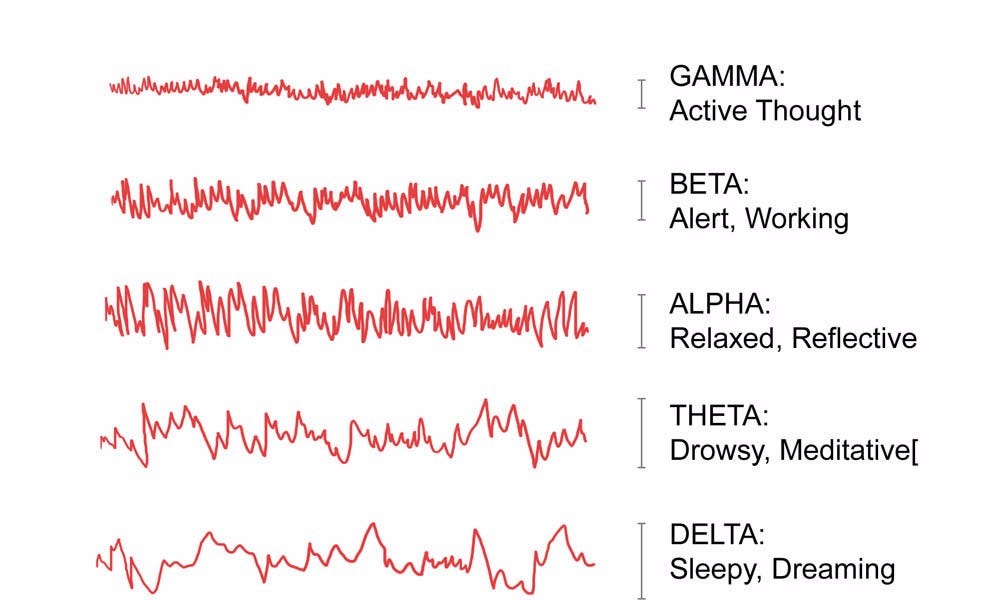
Babies are able to sense and learn based on the emotional state of their mother. If she feels safe and calm, babies absorb that. If she’s stressed or afraid, that gets into our system, too.
Real-life example: During the Dutch Hunger Winter of 1944–1945, pregnant women went through extreme famine. Their babies were born with programs that told their bodies to store fat, because they “learned” that food might run out. Later in life, many of them were more likely to become overweight or develop mental health issues like ADHD or schizophrenia—conditions linked to how the body and brain handle stress.
This happened before these babies could speak, think, or even understand the world consciously. But their bodies remembered. Their nervous systems were programmed for survival.

Babies Need More Than Just Milk to Survive
For a newborn, survival isn’t only about food—it’s also about connection. Babies are completely dependent on others, so being accepted, loved, and cared for becomes the most important thing. If a baby feels rejected or abandoned, it feels like danger—sometimes even like death.
This is part of our programming too.
Childhood Programming: Ages 0 to 7
From birth to around age seven, we’re in what scientists call a “programmable” brainwave state. It means we soak up everything around us like a sponge—especially from our parents or caregivers.
This is when we start downloading our core programs:
Am I lovable?
Is the world safe?
Do I belong?
Can I trust others?
If our caregivers ignored or criticized parts of us—like being too loud, too sensitive, or too emotional—we often learn to hide those parts just to keep their love. We program ourselves to “fit in,” even if it means rejecting our true selves.
By the time we’re seven, most of our emotional and social programming is already in place. This includes our inner critic, our self-worth, and how safe we feel in the world.
Programming Passed Down in Our Cells
Here’s something even deeper: not all of our programming comes from our own life. Some of it is inherited—passed down through generations.
This is called genetic memory, and it’s becoming more accepted by scientists.
Say you have a fear that doesn’t make sense—like being terrified of water even though you’ve never had a bad experience with it. One girl I know had this exact fear. So did her mom. Later, they discovered her grandmother nearly drowned escaping war as a refugee. That fear may have been programmed into the family’s cells and passed down.
In lab studies, mice were trained to fear the smell of cherry blossoms by pairing it with a small electric shock. Later, their baby mice were also afraid of that smell—without ever experiencing the shock themselves. The program had been inherited.
Cultural Programming: The Rules of “How to Be”
We also receive cultural programs—invisible rules about how we’re expected to behave based on where we live, what gender we are, and what our community values.
The programming of an Indian girl may be very different from a Scottish girl’s, but they may both receive similar messages about being “a good woman,” for example. These cultural programs shape how we view ourselves and others.
The good news is: programs can change. Some are easy to rewire—especially if they aren’t tied to deep survival fears. As more individuals reprogram their beliefs, culture itself begins to shift.
Why It All Matters
Understanding that we’re programmed—by biology, family, culture, and even past generations—gives us the power to change.
It’s not about blaming anyone. It’s about becoming aware.
Because once we know we’re running old programs, we can decide which ones to keep… and which ones to rewrite.